


 RO
 RU
 EN
Treating the cause and restoring tooth shape
Decay starts by damaging the hard tissues of a tooth and may initially develop without pain. An area that traps food, sensitivity or a damaged filling should be checked. Examination and, where indicated, X-rays help establish the extent of the problem.
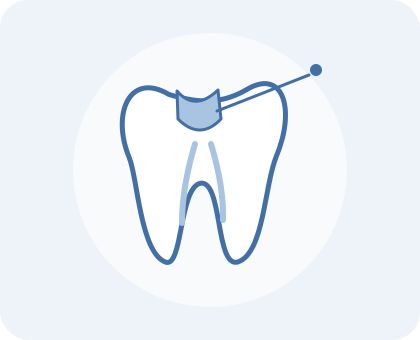
At DENTAURUM, dental treatment includes composite fillings and root canal treatment. Not every cavity needs root canal treatment: the choice depends on the damage and the condition of the pulp inside the tooth.

Options and indications
Treatment steps
01
Diagnosis
We discuss your symptoms and examine the tooth.
02
Treatment
We choose an appropriate procedure and pain-control approach.
03
Restoration
We rebuild the tooth with a filling or another restoration as indicated.
04
Review
We check your bite and plan follow-up care.
Do not wait for pain to make the decision
Decay can be present before pain begins. If sensitivity persists, swelling develops or pain returns, contact the practice. Brushing with fluoride toothpaste and cleaning between your teeth remain important after a filling.
Frequently asked questions
Does tooth decay always hurt?
No. Early lesions may have no symptoms. Check-ups help identify them before more extensive damage develops.
Why might a crown be needed after root canal treatment?
A tooth with substantial tissue loss may need a restoration that protects it during chewing. Your dentist recommends an option after assessing the remaining strength.
How many appointments will I need?
A filling and root canal treatment involve different stages. The number of visits depends on complexity, infection and the final restoration.