


 RO
 RU
 EN
A positive relationship with the dentist develops step by step
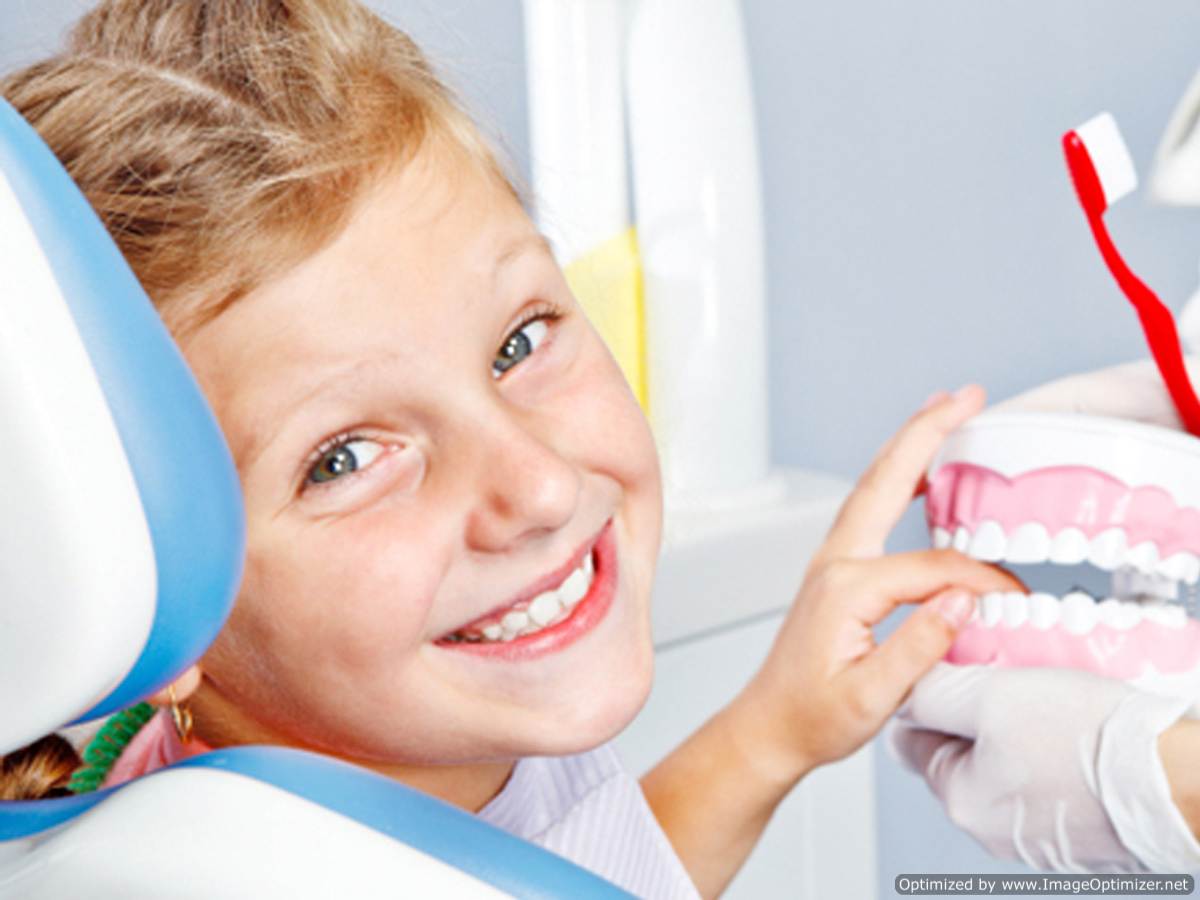
At DENTAURUM, children's care focuses on prevention, communication and making visits as comfortable as possible. A familiarisation visit can help a child discover the practice before a painful problem develops.
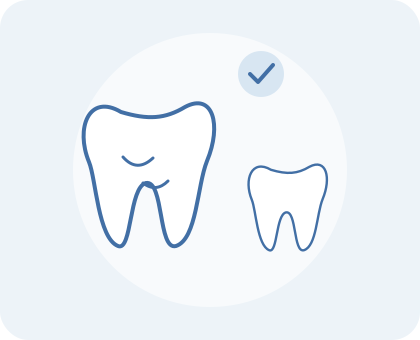
Baby teeth are important for chewing, speech and maintaining space for permanent teeth. The fact that they will be replaced does not mean decay can be ignored. Your dentist assesses each tooth and explains the options to the parent.
Options and indications
Treatment steps
01
Talking with the parent
We learn about medical history and previous experiences.
02
Getting to know the practice
We introduce instruments and explain each step in child-friendly language.
03
Assessment and plan
We explain what needs treatment and what can be monitored.
04
Care at home
You receive cleaning advice and recommendations for the next visit.
Prepare for the visit with simple explanations
Tell your child the dentist will check their teeth. Avoid threats or promises about procedures you have not yet discussed. Tell us about fears, allergies or additional needs so we can adapt our approach and the time allowed for the visit.
Frequently asked questions
Do baby teeth need treatment too?
Yes, when indicated. Pain and infection can affect a child before the tooth is replaced. The approach depends on the tooth's condition and the stage of development.
How can I help after anaesthesia?
Supervise your child so they do not bite their numb lip or cheek. Follow the dentist's advice on food and care.
How often should we return for a check-up?
The interval depends on decay risk, cleaning and the treatment needed. Your dentist recommends an individual schedule rather than the same one for every child.